
10 product recommendation quiz examples by industry
Product recommendation quiz examples across 10 industries: skincare, haircare, supplements, coffee, fragrance, jewellery and more, each with a live demo to try.
A product recommendation quiz works best for brands selling in categories where shoppers struggle to choose between similar SKUs without expert guidance. The 10 categories below all share that profile: skincare, haircare, supplements, coffee, jewellery, sports gear, pet food, home decor, perfume and cosmetics. Each section includes a live quiz example you can try. Every one is built with the product recommendation quiz for Shopify, which also runs on WooCommerce, BigCommerce and Magento.
The overwhelming choice of products in your store can drive customers away or put a strain on your customer support. While there are specialist stores that require in-person expertise (think engineering solutions), most brands can significantly reduce their support load and lift conversion by adding a quiz that does the consultation for them. For the broader strategy of how a quiz fits into a complete funnel, see our step-by-step funnel build guide. For 11 real funnels using this pattern, see our real funnel examples.
How well does a quiz actually convert in these categories? Across the RevenueHunt platform over the trailing 180 days, the median quiz-to-order conversion runs 4-8% by category, roughly 2-4x a typical 2% storefront:
| Category | Median quiz conversion | Median AOV |
|---|---|---|
| Skincare | 8% | $84 |
| Supplements & wellness | 7% | $85 |
| Haircare | 7% | $72 |
| Cosmetics & makeup | 6% | $65 |
| Food & drink (incl. coffee) | 6% | $67 |
| Pets | 6% | $72 |
| Fashion & apparel | 4% | $101 |
These are platform medians using RevenueHunt’s own order attribution; they include stores with no attributed orders yet, so the real numbers for a well-built quiz sit higher. The consumable categories (skincare, supplements, haircare) convert highest because the quiz also unlocks replenishment and routine cross-sell downstream.
Here are 10 product recommendation quiz examples, one per industry, each with a live demo you can take right now.
1. Skincare quiz
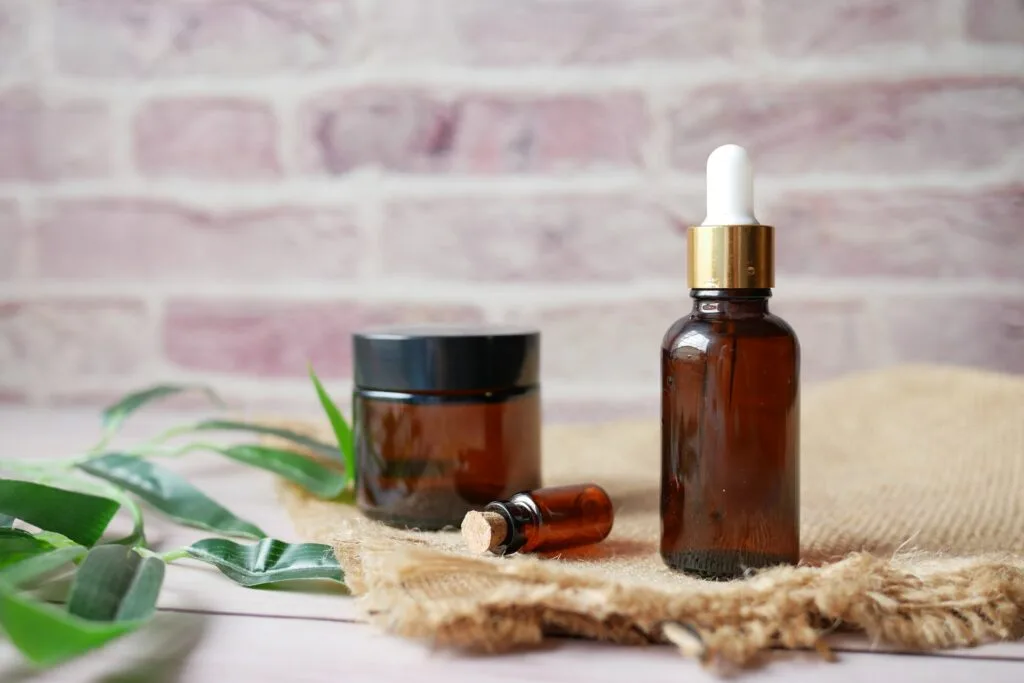
Do your customers know which products are right for their skin type? Do they know how to care for their skin at different stages of life? Most don’t, and that’s where the quiz earns its keep. A short diagnostic can map the customer to a routine: which products to use, in which order, and when. Results can be organised into routine slots, and the customer can add the entire routine to cart in one click. For the full category playbook, see our skincare quiz guide for Shopify and WooCommerce.
Live example: Skincare quiz
2. Haircare quiz
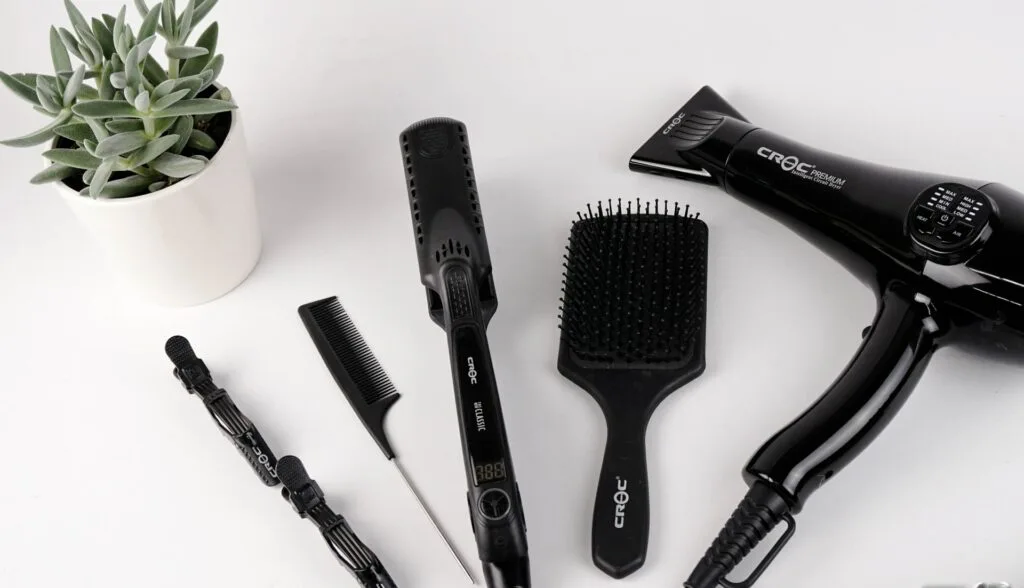
Hair type, density, colour treatment history and styling habits all matter when picking shampoo, conditioner and treatments. A quiz captures all of it in 60 seconds, recommends products that suit the customer’s specific hair condition, and can layer in routine advice based on the answers given.
Live example: Haircare quiz
3. Coffee quiz
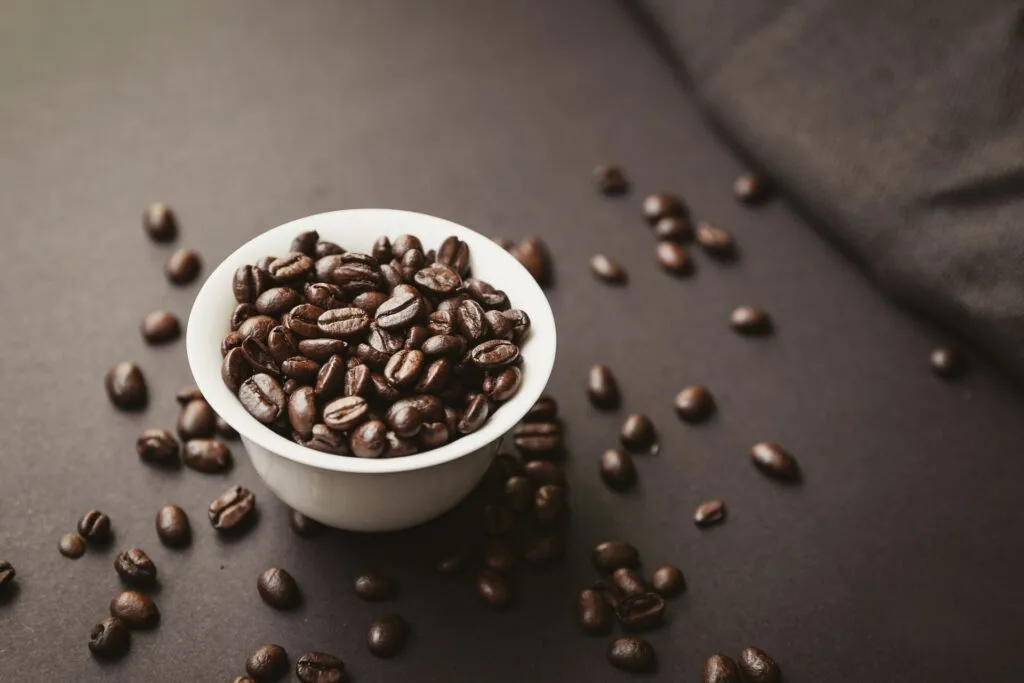
How do your customers make their coffee? Espresso, Aeropress, pour-over, French press? Do they have a favourite roast level or country of origin? Coffee buyers take pride in discovering new flavours but feel overwhelmed by undifferentiated catalogues. A short quiz pairs them with beans tailored to their brewing method and taste preference, whether they’re a seasoned drinker or a complete newcomer. See the coffee quiz solution.
Live example: Coffee quiz
4. Cosmetics quiz (shade and foundation finder)
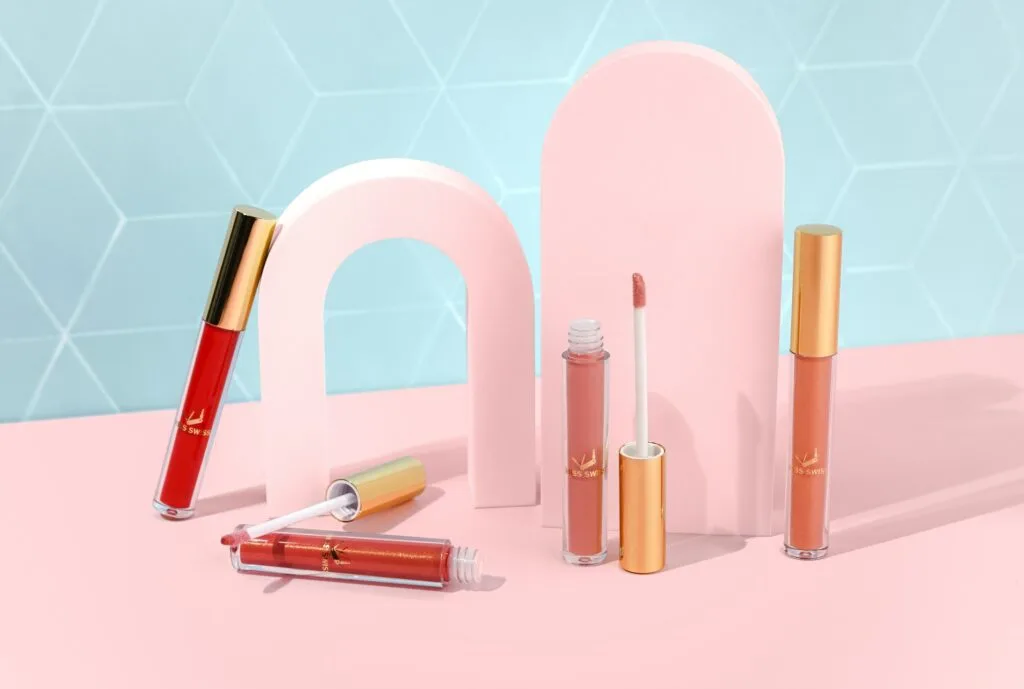
Foundation matching, lip shade selection and mascara choice are notoriously hard online without a visual try-on. Cosmetic brands need to cover the entire spectrum of skin colours and tones, which produces classic discovery friction. A quiz collects skin tone, undertone, finish preference and existing routine, then surfaces the right SKU. Pair it with social-proof reviews from the same segment to close the confidence gap. See the shade finder quiz solution.
Live example: Lipstick shade finder
5. Perfume quiz (fragrance finder)

Buying perfume online is uniquely hard because there are no fragrance samples to try right next to you. Most customers either stick with already-familiar scents or end up disappointed. A quiz built around scent families (citrus, woody, floral, oriental), occasion (everyday vs evening) and personal associations can produce a confident recommendation that closes the gap a brick-and-mortar sales assistant would normally fill.
Live example: Fragrance finder
6. Jewellery quiz (and gift finder)
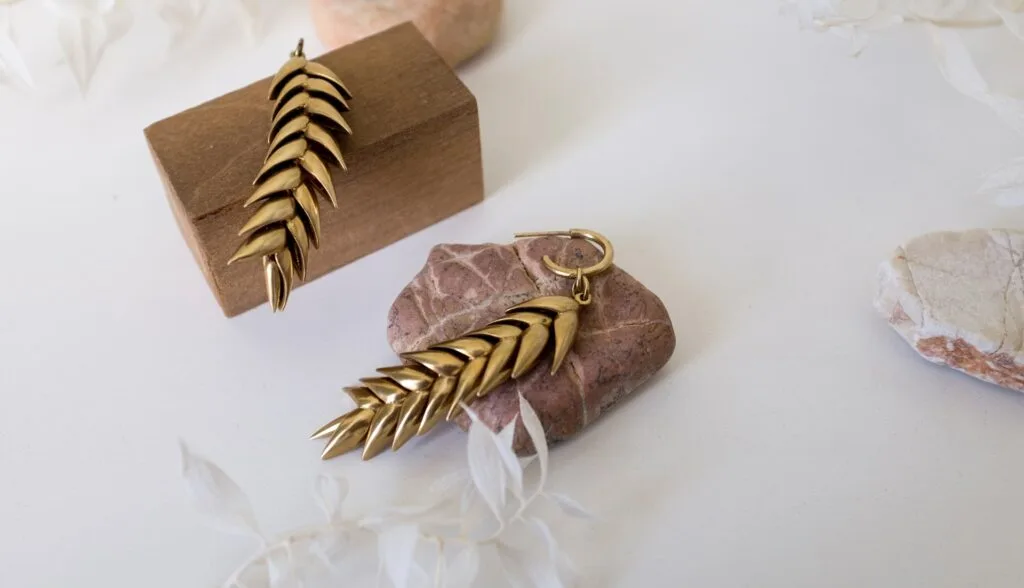
A vast jewellery catalogue overwhelms shoppers who don’t know whether to choose silver, gold or mixed metals, or who have budget restrictions. A quiz can route them to the right pendants, rings or bracelets in the appropriate material and price range. The gift-buying use case is even stronger: a quiz that asks about the recipient (partner, parent, friend), the occasion (anniversary, birthday, Valentine’s) and the budget converts gift-buyers who would otherwise abandon the catalogue. See the gift finder quiz solution.
Live example: Valentine’s gift finder
7. Supplement quiz
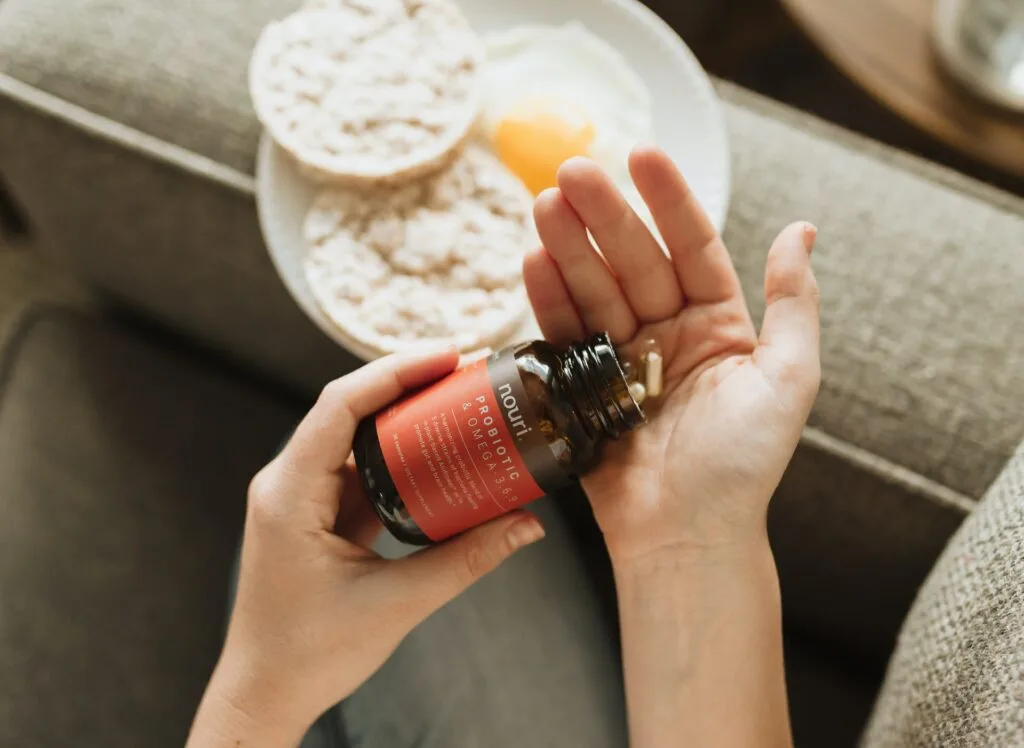
Vitamins and supplements are the category with the highest pre-purchase scepticism, which makes a diagnostic quiz the single most valuable funnel mechanic in the space. A quiz can build a personalised health screening (age, dietary restrictions, primary goal, lifestyle), recommend the right stack, and then follow up with a Klaviyo flow that references the customer’s stated goal explicitly. The underlying data category is covered in our zero-party data guide.
Live example: Nutrition quiz
8. Sports equipment quiz
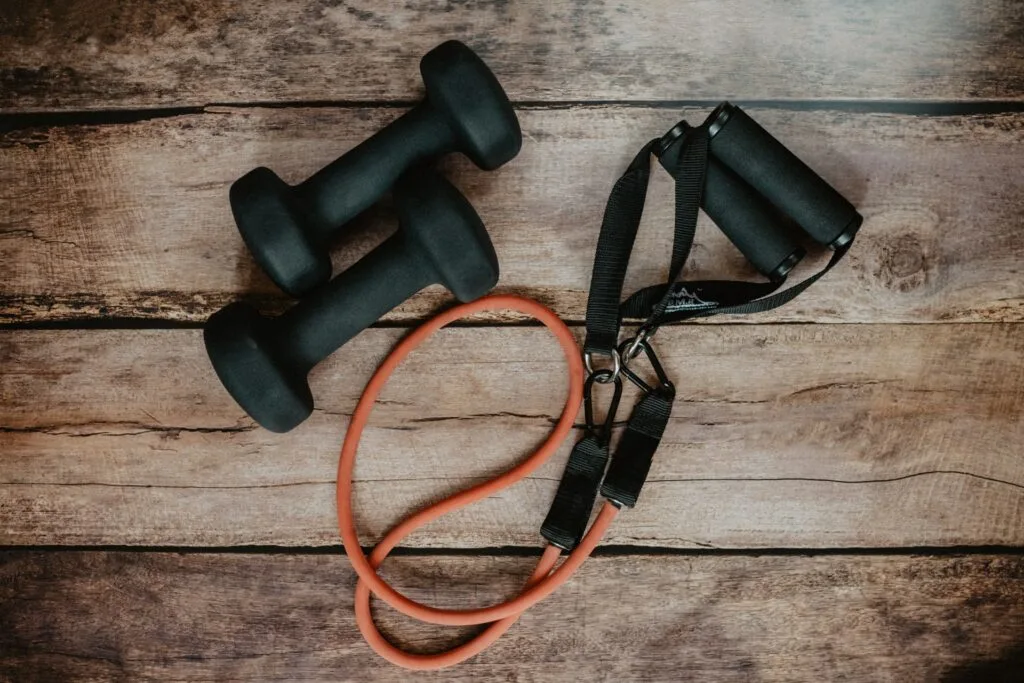
Bikes, yoga mats, skateboards, surfboards: most customers in this category are completely overwhelmed by the technical spec sheets. They’ll either trawl through your documentation, contact support, or ask a friend. None of those produce a confident purchase. A short interactive questionnaire (5-8 questions on skill level, intended use, budget) can match them to the right SKU in minutes and reduce the support load at the same time. A high-AOV play-equipment brand did exactly this in the Extreme Kids World case study (76.9% completion on its niche quizzes).
Live example: Find the perfect bike
9. Pet food quiz
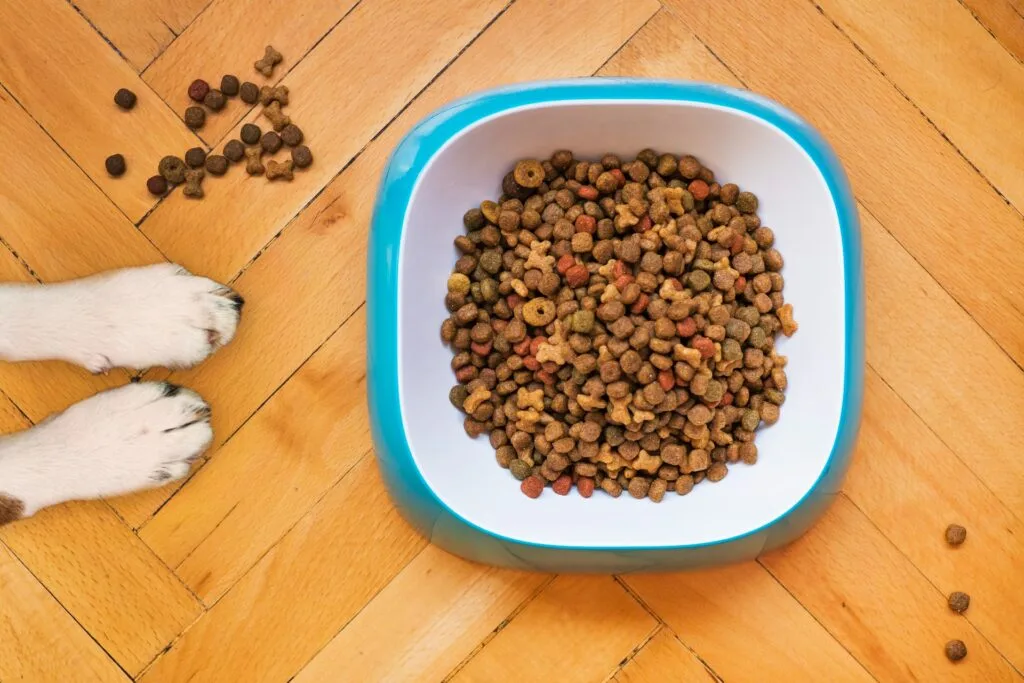
Pet owners care deeply about feeding their pets the right food, and most are uncertain about the specifics: wet or dry, grain-free, allergen-friendly, species and age-appropriate. A quiz that captures pet species, breed, age, allergies and any health conditions can build a confident food recommendation and convert at significantly higher rates than category browsing. Subscription enrolment is the natural next step in this category. See the pet products quiz solution.
Live example: Dog food finder
10. Home and furniture quiz
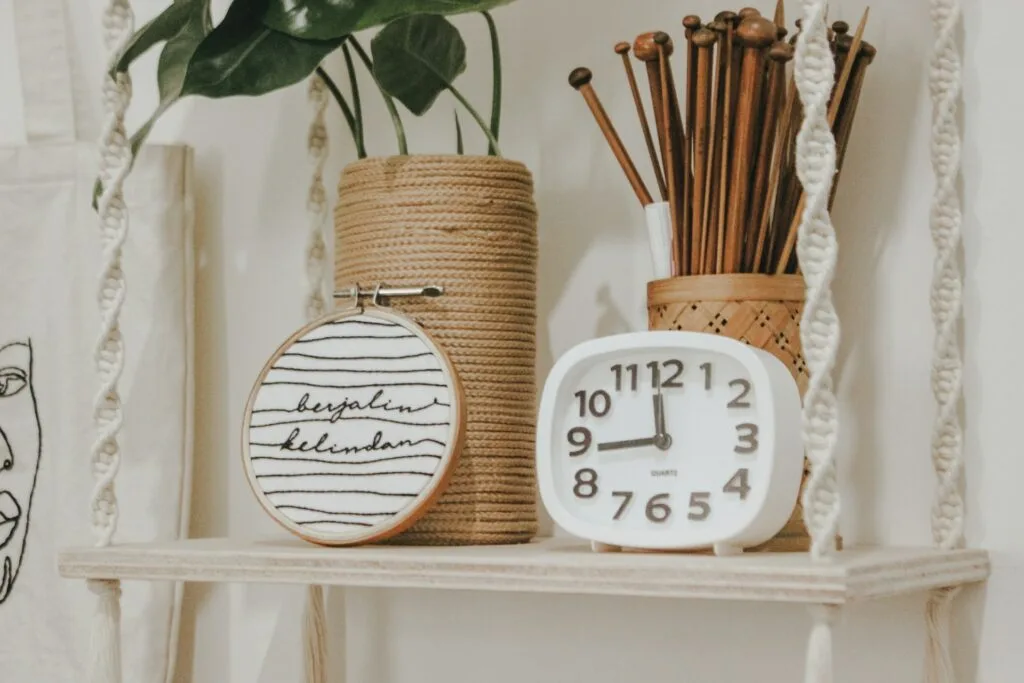
Furniture and decor catalogues are visually overwhelming, and customers struggle to know which couch, mattress or rug will work in their actual space. A quiz that asks about style preference (modern, rustic, mid-century), room dimensions, budget and pet/child constraints can narrow the catalogue to a handful of confident recommendations. Mattress sellers in particular see strong results because the buying decision is high-stakes and high-AOV. See the home goods quiz solution.
Live example: Mattress picker
Famous brands using this approach
Product recommendation quizzes aren’t a Shopify-app novelty: large DTC and traditional retailers have leaned on them for years. A few well-known examples worth borrowing from:
- Sephora’s Skincare IQ. A multi-step diagnostic that maps shoppers to skincare routines based on skin type, concerns and goals. The model demonstrates how a quiz can route customers across a huge catalogue without overwhelming them, by surfacing one routine at the end rather than dozens of candidate SKUs.
- Warby Parker’s frame finder. A face-shape and style quiz that recommends frame collections. The takeaway: visual-prompt questions (face shape, frame silhouette) do work that text alone can’t replicate, because the customer is being asked to identify something visually rather than describe it.
- Stitch Fix’s Style Quiz. Arguably the most well-known example of all. The quiz isn’t an optional feature; it’s the entire onboarding flow, capturing style, fit and budget preferences before any catalogue is shown. The lesson for smaller brands: when the recommendation is the product, the quiz earns top-of-funnel real estate.
- Bombas’ sock finder. Recommendations driven by intended activity (running, hiking, lounging) and seasonal preference. Demonstrates that even single-category brands benefit from a short discovery quiz, because the variety inside the category (fabric, height, cushioning, wear context) still produces real choice paralysis.
What these examples share isn’t the questions or the visual design: it’s that the quiz is treated as a primary CTA, not a hidden feature. It sits in the main navigation, in hero placements and as the destination for paid ads, not buried three clicks deep on a help page.
Frequently asked questions
Which types of brands benefit most from a product recommendation quiz?
Any category where shoppers struggle to choose between similar SKUs without expert guidance: skincare, haircare, supplements, cosmetics, coffee, perfume, jewellery, sports gear, pet food, and home decor. The consumable categories convert highest (skincare 8%, supplements and haircare 7% median quiz-to-order), partly because the quiz also unlocks replenishment and routine cross-sell after the first order.
Do I need a quiz if I only sell one category of product?
Usually yes, if there is real choice inside the category. Bombas sells socks, but the variety in fabric, height, cushioning and wear context still produces choice paralysis, so a short discovery quiz helps. The test is simple: if a first-time visitor cannot confidently self-select in under a minute, a quiz earns its place.
How well does a product recommendation quiz convert?
Across the RevenueHunt platform, the median quiz-to-order conversion runs 4-8% depending on category, roughly 2-4x a typical 2% storefront. Skincare leads at 8%, with supplements and haircare at 7%. These are conservative medians that include stores with no attributed orders yet.
Can I try a quiz before building my own?
Yes. Every section above links to a live quiz you can take, and you can build and publish your own free: the free plan covers up to 100 quiz completions per month, enough to validate the model before committing.
Build your first product recommendation quiz
You don’t have to believe us. You can test all the features of the app completely free. This includes installation, integrations, customisation and publishing. The free plan covers up to 100 quiz completions per month, which is enough to validate the model before committing to anything.
Install RevenueHunt: Recommender Quiz for Shopify →
Also available on



Free tools & data
Put these benchmarks to work on your own store.
Free tool
Quiz ROI calculator
Estimate the extra revenue and ROI a product recommendation quiz could add to your store. Built on real data, no email required.
Calculate your ROIFree report
Ecommerce quiz benchmark report
How product recommendation quizzes really perform: conversion by category, AOV uplift, and completion, from 45M+ real quiz responses.
Read the report
Most shoppers leave because they can't find the right product